1How thank-you page works
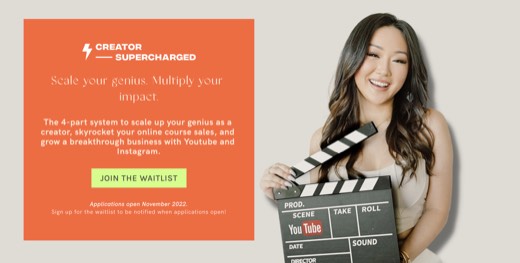
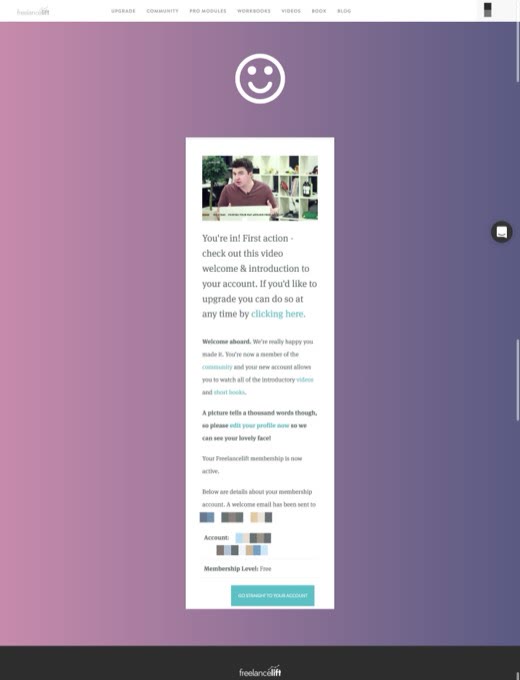
The moment after someone says yes is when they are most engaged and most open. A thank-you page that only says thanks lets that moment pass. A good one does three things. It confirms the action, so the person knows it worked. It gives the next step, such as a join link, a video or where to find the product. And, where it fits, it makes one relevant offer. A low-price product right after a free sign-up, with a short time limit, can turn a subscriber into a buyer. For webinars, a countdown and a reminder of the class promise improve attendance. Keep it clear and short.
2How to use it in your copy
- Confirm the action in the first line.
- Tell the person exactly what happens next.
- Give one next step, such as a link, video or download.
- Add one relevant offer if it suits the moment.
- Keep the page short and focused.
3Mistakes to avoid
- Showing a plain 'thanks' with no next step.
- Forgetting to say where to find what they signed up for.
- Pushing several offers at once.
4Three examples, and what they do
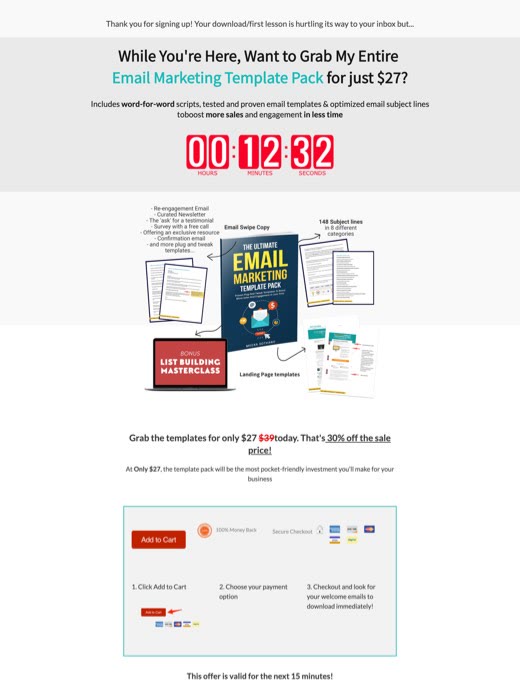 Meera Kothand's email template thank-you offerA free sign-up turns into a $27 offer with a countdown, a struck-through $39 price and a 15-minute validity line.
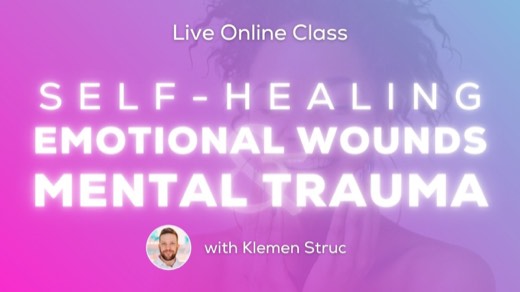 Wellnio webinar registration confirmation pageThe confirmation gives the join link and keeps selling the class with a countdown and seven reasons it works.
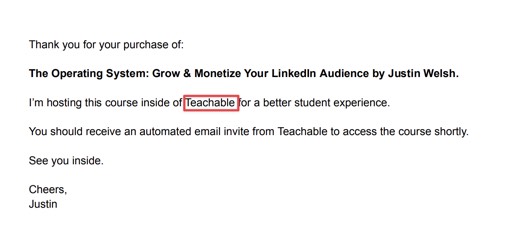 Justin Welsh's post-purchase thank-you emailFive short lines name the product, say where it is hosted and tell the buyer to watch for the course invite.
5Questions
What should a thank-you page include?
A confirmation, the next step and any key details like links or dates. It can also hold one relevant offer.
Should I sell on a thank-you page?
Often, yes, if the offer is related and simple. Someone who just signed up is warm, so a small next offer can work well.
Is a thank-you email enough?
Use both if you can. The page catches people in the moment, and the email gives them something to find later.