1How question headline works
Statements can be skimmed. Questions ask for a response, and the reader's mind gives one almost automatically. If the question touches something they care about, that small act of answering pulls them into the copy. The best question headlines have a clear answer the reader would give, often 'yes' or 'I don't know'. Both lead into the page. Weak ones are too broad ('Want to be happy?') or have an answer that ends the interest ('No'). A question can also set up the structure of the piece, as when a poster asks WHY and then points to HOW. The copy after the question should answer it fast.
2How to use it in your copy
- Find a question your reader is already asking themselves.
- Make it specific to their situation.
- Check the likely answer leads into your copy, not away from it.
- Answer it in the next line or section.
- Avoid questions that can be answered with a dismissive 'no'.
3Mistakes to avoid
- Asking a question so broad that it means nothing.
- Asking a question the reader can answer 'no' and leave.
- Never actually answering the question in the copy.
4Three examples, and what they do
 Artist Alliance membership pageA question about the post-pandemic art world makes artists reflect on their own situation before member testimonials appear.
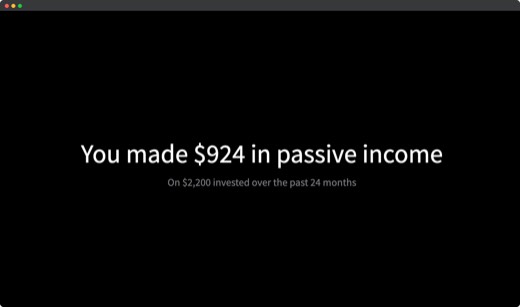 Steady's commercial real estate waitlist pageIt opens with a statistic posed as a question, so the reader is thinking before the $100 entry price appears.
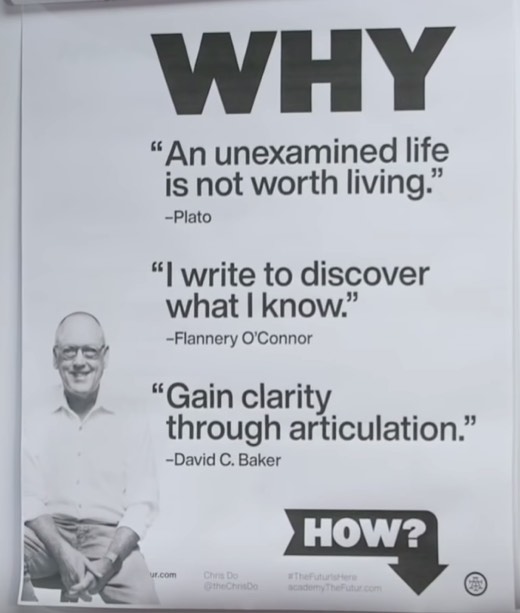 The Futur's WHY / HOW posterA giant WHY builds the case for writing to gain clarity, then a bold arrow asks HOW to lead into the course.
5Questions
Do question headlines work?
They can, when the question is specific and touches a real concern. Vague questions tend to be skipped.
What makes a good question headline?
It names a problem or belief the reader already has. Their honest answer should make them want to keep reading.
Should every question headline be answered right away?
Answer it soon. A short delay builds curiosity, but readers who never get the answer feel misled.