1How press logos works
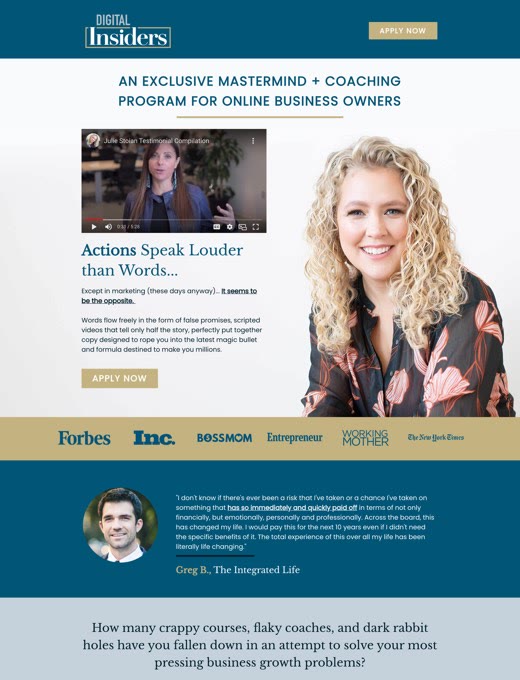
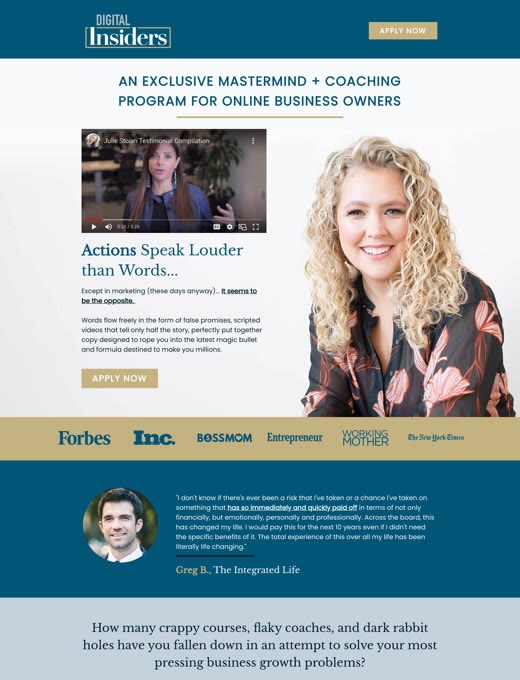
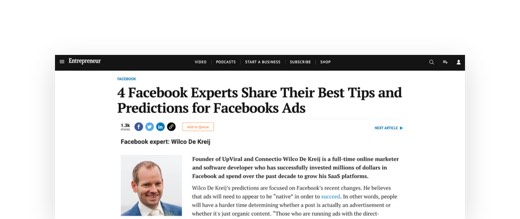
Visitors who do not know a brand look for signs that it is real. A familiar media logo is a fast shortcut. The reader does not need to read the article. They just register that a known outlet mentioned the seller. That is why press logos usually sit high on the page, just below the headline. They work best when the mentions are real and recent, and when the outlets mean something to the audience. A row of logos is light proof, though. It shows attention, not results, so it works best alongside testimonials or numbers. Logos for mentions that never happened, or for paid placements dressed as press, put the whole page at risk.
2How to use it in your copy
- Collect real mentions, interviews or features.
- Pick the outlets your audience will recognise.
- Place a small row of logos near the top of the page.
- Label them honestly, such as 'featured in' or 'as seen on'.
- Pair them with stronger proof like results or testimonials.
3Mistakes to avoid
- Showing logos for outlets that never covered you.
- Relying on press logos as the only proof for a big promise.
- Using outlets your audience has never heard of.
4Three examples, and what they do
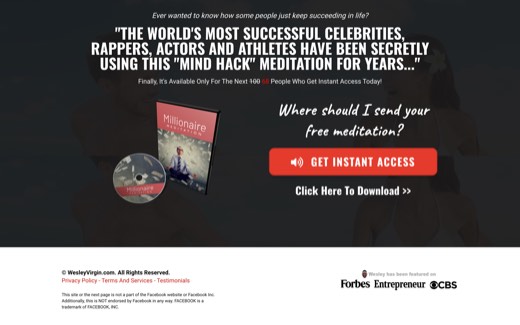 Wesley Virgin's Millionaire Meditation squeeze pageOn a short squeeze page, press logos are the only proof beside one claim, one counter and one button.
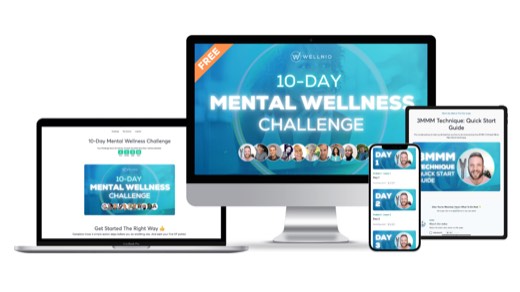 Wellnio's free 10-day mental wellness challenge page'As seen on' logos sit with a long benefit headline and a device mockup on a free challenge page.
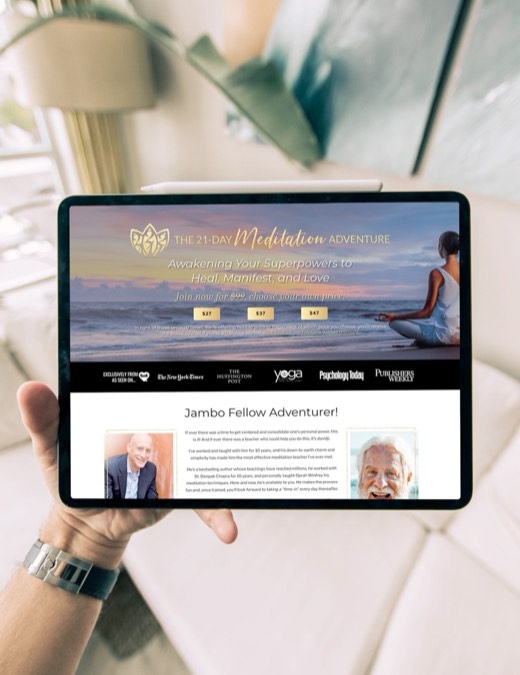 The 21-Day Meditation Adventure sales pagePress logos and a bestselling-author endorsement back the teacher beside a choose-your-own-price row.
5Questions
Do 'as seen on' logos increase trust?
They can help new visitors feel a brand is legitimate. They work best with other proof, such as testimonials or results.
Can I use press logos if I was only quoted briefly?
Many sites do, but the label should be honest. Never show logos for coverage that did not happen.
Where should press logos go?
Usually just below the headline or hero section. That is where first-time visitors decide whether to trust the page.