

1How borrowed authority works
A new or small brand has not earned trust yet. A familiar name can fill that gap quickly. If big companies use the product, a smaller one feels safer buying it. If famous teachers are on the platform, the courses feel credible. The name does the reassuring, so the copy can stay short. The link has to be real and relevant. Naming clients you actually serve is honest proof. Implying a celebrity endorses you when they do not is misleading and risky. It also works best when the name connects to the reader's goal, such as known gig-economy brands for gig-economy buyers.
2How to use it in your copy
- List real clients, partners or teachers with recognised names.
- Pick the ones most relevant to your reader.
- Show them near the headline or main claim.
- State the actual relationship, such as client or teacher.
- Get permission before using names or faces.
3Mistakes to avoid
- Implying an endorsement that does not exist.
- Using famous names with no link to the reader's goal.
- Letting the famous names overshadow what you offer.
4Three examples, and what they do
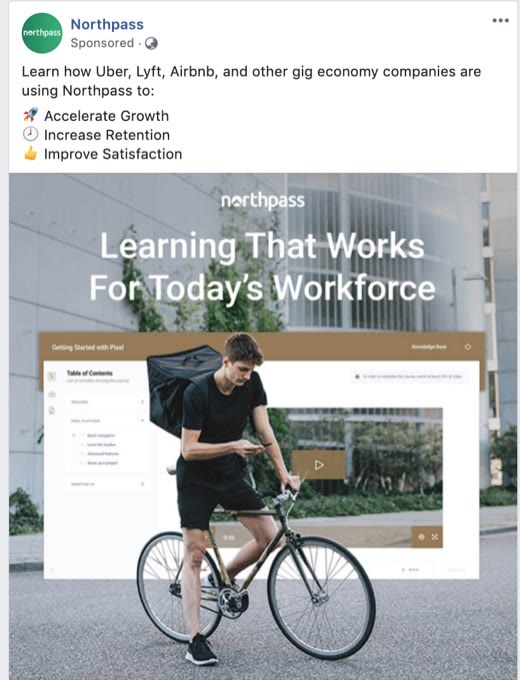 Northpass's gig economy learning adNaming Uber, Lyft and Airbnb as proof speaks directly to other gig-economy companies.
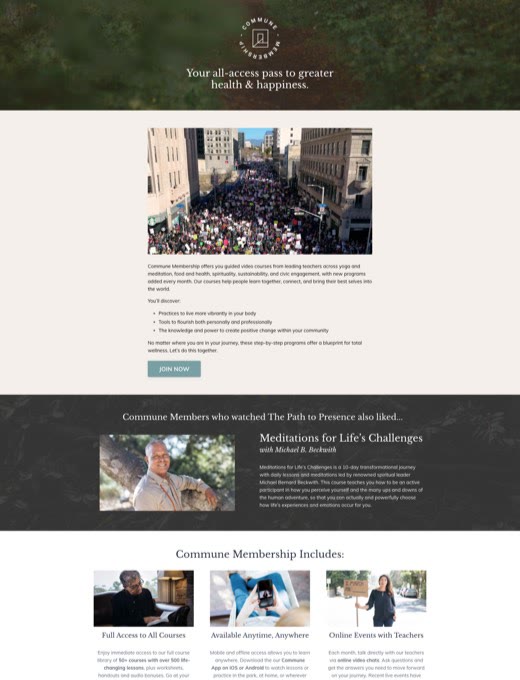 Commune's all-access membership pageA grid of famous teachers is the main proof on a calm page with one promise and one button.
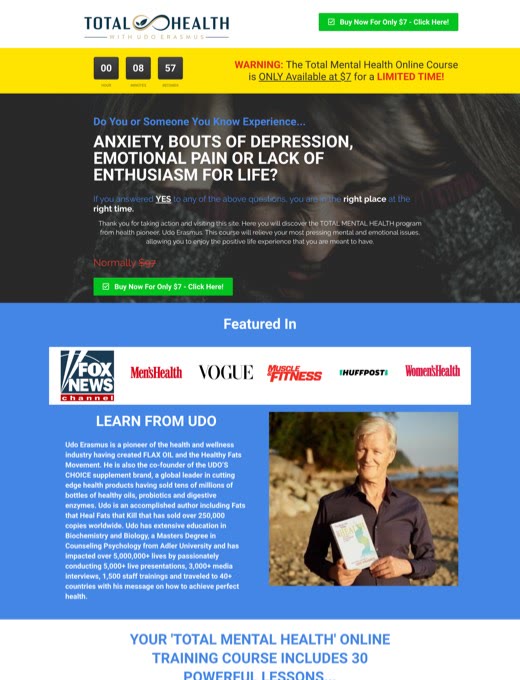 Total Health's $7 mental health course pageCelebrity endorsements back a $7 course from a well-known nutrition author.
5Questions
What is borrowed authority?
It is trust gained by association with known names, such as famous clients, partners, teachers or endorsers. It is common for newer brands.
Can I mention big-name clients in my marketing?
Usually, if they really are clients and you have permission. Check your contracts, and never imply more than the real relationship.
Is borrowed authority better than my own credentials?
They work well together. Famous names catch attention, while your own results and expertise show why the reader should buy from you.