1How case study works
General advice asks the reader to trust you. A case study shows them. It follows one example from problem to result, with the steps and numbers in between, so the reader can check the logic for themselves. That makes it strong proof. It also teaches, which builds goodwill and positions the seller as someone who knows the work. The best case studies lead with the result in the headline, then explain how it happened in clear stages. Real numbers, even modest ones, make it credible. A case study can also justify an offer, as when a sales page uses its own test result to explain why the product is worth buying.
2How to use it in your copy
- Pick one real project with a clear result.
- Put the main number in the headline.
- Describe the starting point and the problem.
- Walk through the steps you took, in order.
- End with the result and what the reader can copy.
3Mistakes to avoid
- Using a case study with no numbers or clear result.
- Hiding how the result happened, so readers cannot learn from it.
- Presenting one unusual result as typical.
4Three examples, and what they do
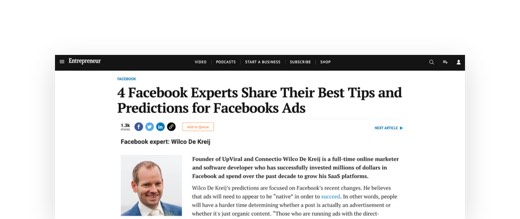
 Demio's 1,659-lead virtual summit postA precise lead count in the headline sets up a 15-step walk-through of the company's own first summit.
 SamCart's Black Friday Blackbox sales pageThe page justifies its bundle with a result it reports: a backwards timer that lifted conversion by 55%.
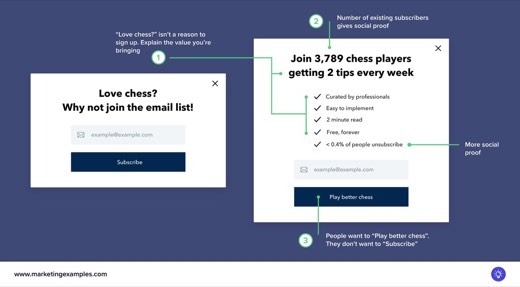 Newsletter popup before and afterTwo short teardowns show a weak popup and headline rewritten, so the method is proven by example.
5Questions
What makes a good marketing case study?
A real example, a clear starting point and specific steps. It should end in a measurable result the reader can learn from.
How long should a case study be?
Long enough to show the steps clearly. A blog case study might run several sections, while a sales page might use a single paragraph.
Can I use a client's results in a case study?
Yes, with their permission. Named clients and real numbers make the case far more believable.