Time-bound promise headline examples: 10 real swipes
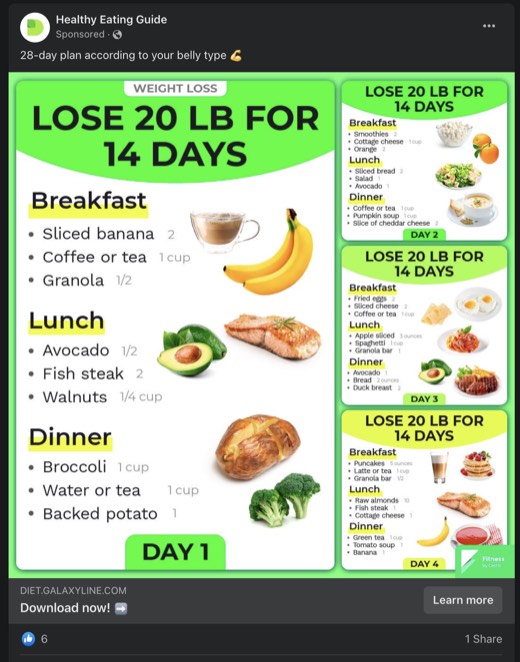
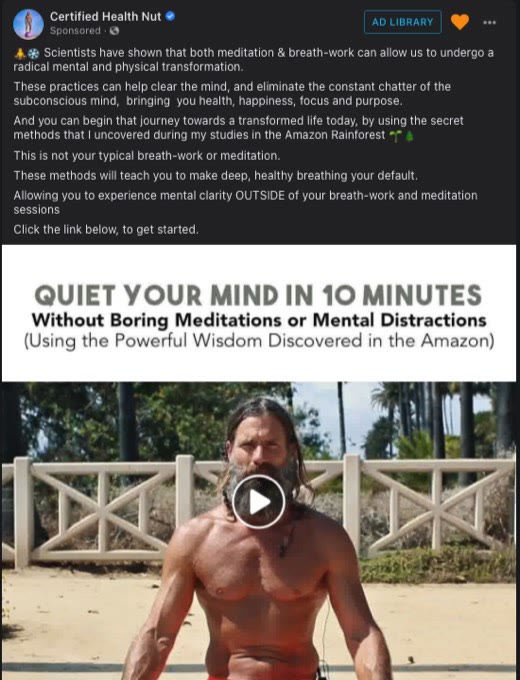
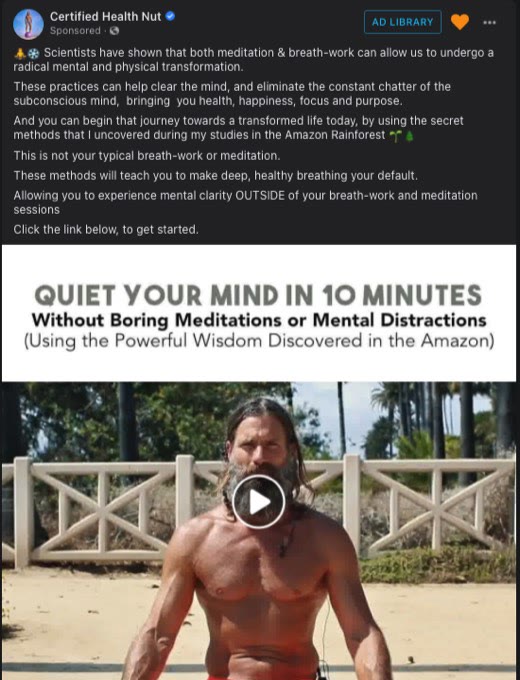
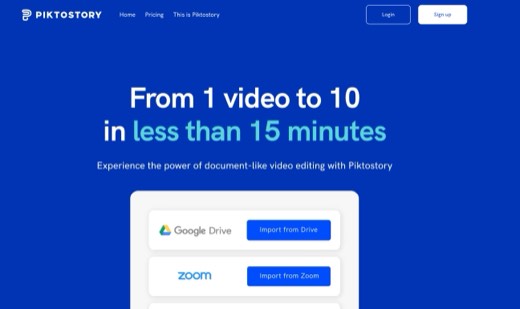
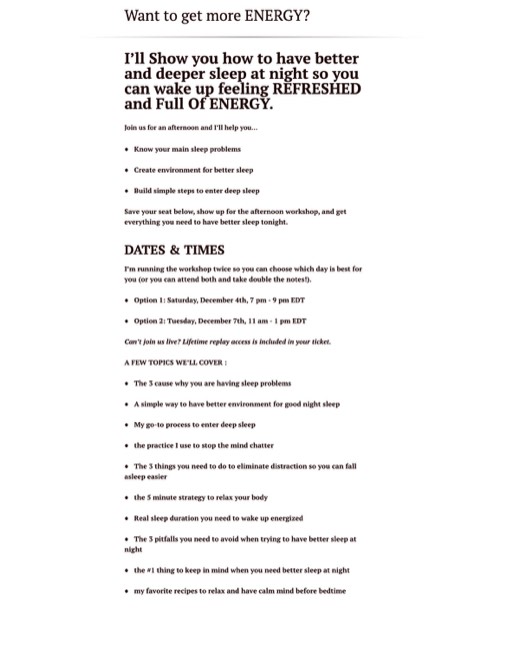
A time-boxed promise says when the reader will get the result. A quiet mind in 10 minutes. A podcast launched in 7 days. Double your flexibility in 4 weeks with 15 minutes a day. Putting a time frame on a promise makes it concrete and caps the cost in the reader's mind. The swipes below show time promises in ads, thumbnails and workshop pages.
Most people are short on time, so 'how long will this take?' is one of their first questions. A time-boxed promise answers it up front. It also turns a fuzzy benefit into something the reader can picture: five minutes, then less overthinking. Two kinds of time appear. One is how fast the result comes. The other is how much effort it takes each day. The best promises often include both. The time frame has to be believable for the result. 'Better sleep tonight' works for a workshop with simple tips. A huge result in a tiny time sounds like hype, and readers who have been burned before will scroll past.
2How to use it in your copy
Decide how long the result really takes for a typical buyer.
Put that time frame in the headline.
Add the daily effort if it is small, such as 15 minutes.
Pair the time with a specific result.
Make sure the method can actually deliver in that time.
3Mistakes to avoid
Promising a big result in an unrealistic time.
Giving a time frame with no clear result attached.
Ignoring the effort the reader will need to put in.
One saved ad, email or sales page every week, with a short note on why it works and how to use the idea in your own copy. Free, one email, unsubscribe any time.
Sent with Systeme.io, which we also recommend for building pages like these.


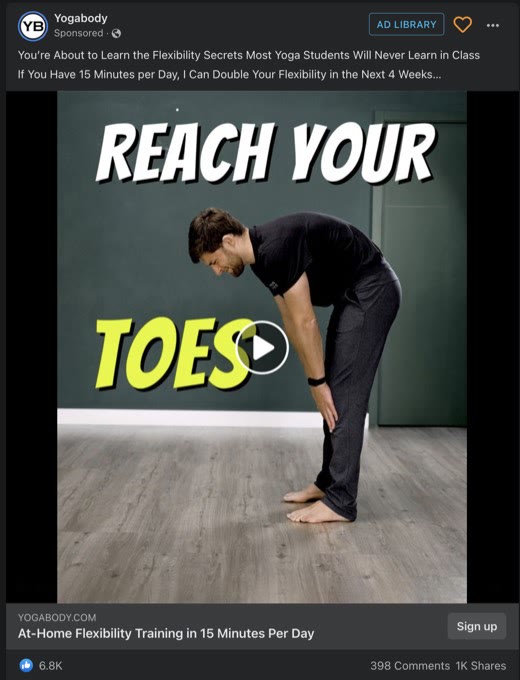 Yogabody's Reach Your Toes video ad'Double your flexibility in 4 weeks with 15 minutes a day' gives the result, the time and the effort in one line.
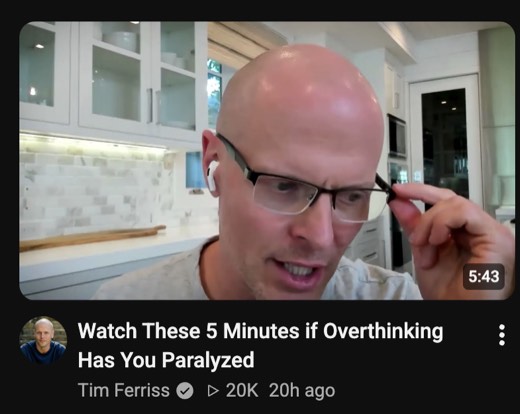 Tim Ferriss: 5 Minutes for OverthinkingNaming overthinking and capping the cost at five minutes makes the click feel like a cheap fix.
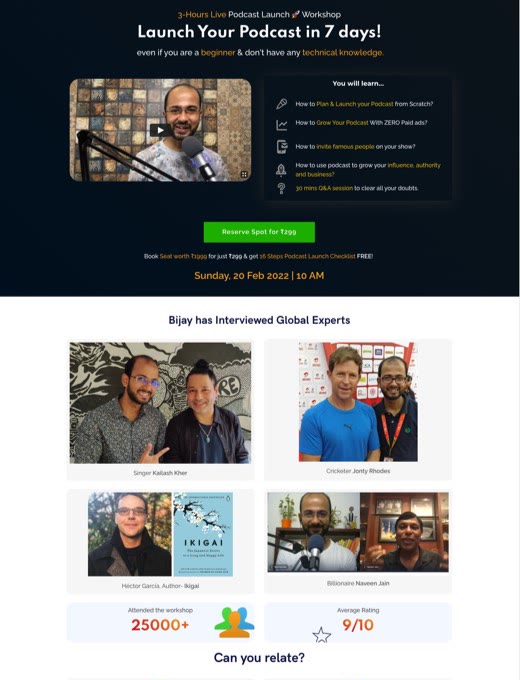 Bijay Gautam's podcast launch workshop pageA promise of a podcast launched in 7 days frames a 3-hour workshop around a clear finish line.