
1How qualifying works
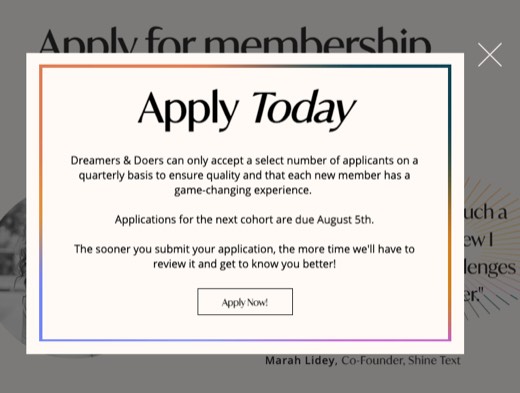
An offer for everyone feels like an offer for no one. When copy names who it is for, the right readers feel seen and the offer feels made for them. Naming who it is not for adds a sense of selectiveness. Being let in feels more valuable than being sold to. For higher-priced offers, qualifying also saves time. Application forms and income thresholds filter out buyers who would not succeed or would ask for refunds. The tone matters. Clear, fair conditions read as honest. Harsh or insulting exclusions can put off the very people you want. Pair each 'not for' with a reason.
2How to use it in your copy
- Describe your ideal buyer in three or four bullets.
- Add a short 'this is not for you if' list.
- Use concrete conditions, such as stage, income or goal.
- For high-ticket offers, ask people to apply.
- Keep the tone fair, not insulting.
3Mistakes to avoid
- Claiming the offer is for everyone.
- Excluding people in a way that feels mocking.
- Asking people to apply when the offer is simple and low-priced.
4Three examples, and what they do
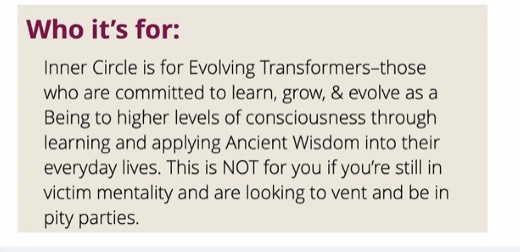 Who it's for, and who it isn't, membership sectionIt names the ideal member and then excludes the victim mindset, which makes the group feel selective.
 Modern Mastery's qualifying sales letterQualifying conditions with income figures, such as $5,000 to $15,000 a month, keep only the right buyers reading.
 Scaling Retreat's S.C.A.L.E. Method event pageThe page screens readers out first by telling 8-figure owners to leave, before its main pitch.
5Questions
Why tell some readers an offer is not for them?
It makes the right readers feel the offer is built for them. It also cuts refunds and wasted sales calls.
When should I use an application instead of a buy button?
For high-priced, hands-on offers where fit matters, such as coaching or masterminds. Simple products rarely need one.
What should a 'who this is for' section include?
A few bullets on the ideal buyer's situation and goals. Add a short list of who should not join and why.