1How payment plan works
A $399 course might be within someone's budget over three months but not this week. A payment plan removes that cash-flow barrier. It also makes the first step smaller: the buyer only needs to approve the first instalment today. Most pages show both options side by side, often with a small saving for paying in full. That saving rewards people who can pay at once without punishing those who cannot. Be clear about the total. If three payments add up to more than the full price, say so plainly. Hidden extra costs on instalments feel like a trick and lead to refunds and complaints.
2How to use it in your copy
- Offer the full price and a plan side by side.
- State the instalment amount and the number of payments.
- Show the total cost of the plan clearly.
- Consider a small saving for paying in full.
- Explain when each payment is taken.
3Mistakes to avoid
- Hiding that the plan costs more in total.
- Offering so many plan options that the choice gets confusing.
- Leaving out when the payments will be charged.
4Three examples, and what they do
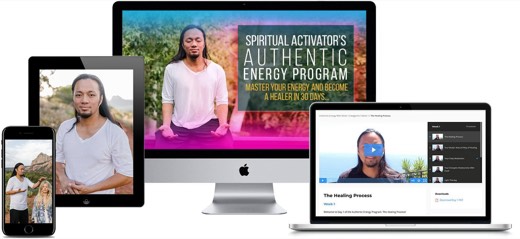 The Authentic Energy Program sales pageA $299 price sits beside three payments of $117, with a 7-day refund, so the buyer can pick how to pay.
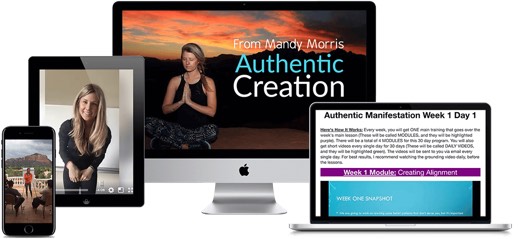 Manifest with Mandy's Authentic Creation webinar offerAfter a week-by-week outline, the $399 programme is offered in full or in three payments.
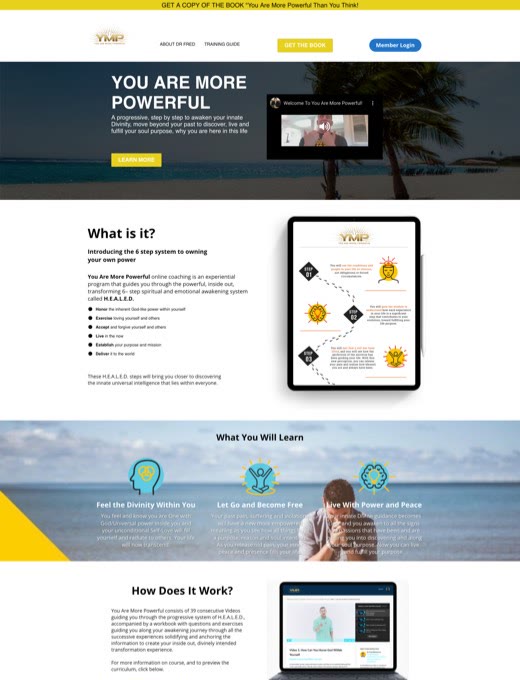 You Are More Powerful's six-step course pageA $197 course offers three payments of $97, so the plan total is visible next to the full price.
5Questions
Should payment plans cost more than paying in full?
Many businesses charge a little more on a plan to cover risk and admin. If you do, state the total clearly.
How many payments should a plan have?
Two to six is common for courses and coaching. Match the number to the price and how quickly buyers expect results.
Do payment plans increase sales?
They often help buyers who want the offer but cannot pay all at once. Results depend on the price and audience.