1How image-led works
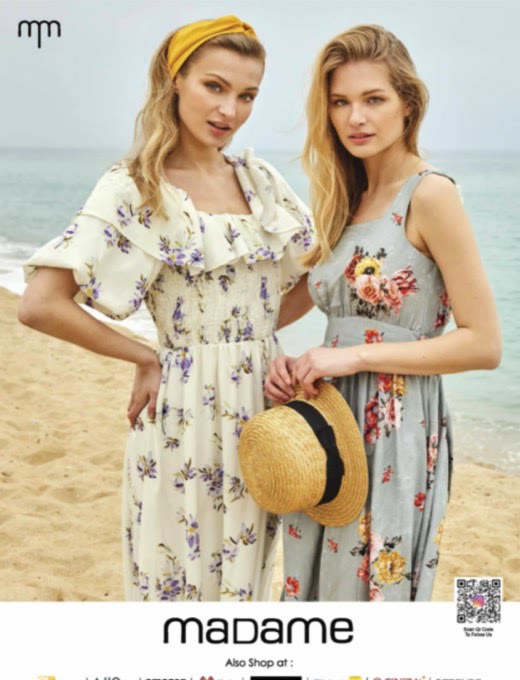
An image is read in a fraction of a second, long before any headline. When the picture alone communicates the mood, the benefit or the brand, words become optional. This suits brands selling a feeling, like luxury fashion, and offers where the idea is easy to show, like calm amid chaos. The image needs one clear focal point. Colour can guide the eye, as when a bag matches the gloves. One short line, if used, should add what the image cannot, such as where to follow or what to do next. For most small businesses, an image-led ad works best when the offer is simple or the brand is already known.
2How to use it in your copy
- Choose one image that shows the feeling or benefit on its own.
- Give it one clear focal point.
- Use colour or contrast to lead the eye.
- Add one short line only if the image needs it.
- Include a simple next step, such as a logo, QR code or button.
3Mistakes to avoid
- Using a pretty image that says nothing about the offer.
- Adding so much text that the image loses its impact.
- Relying on an image alone for a complex offer.
4Three examples, and what they do
 Fendi's reclining model print adWith no copy beyond the logo, the pastel scheme and a relaxed pose carry the whole pitch.
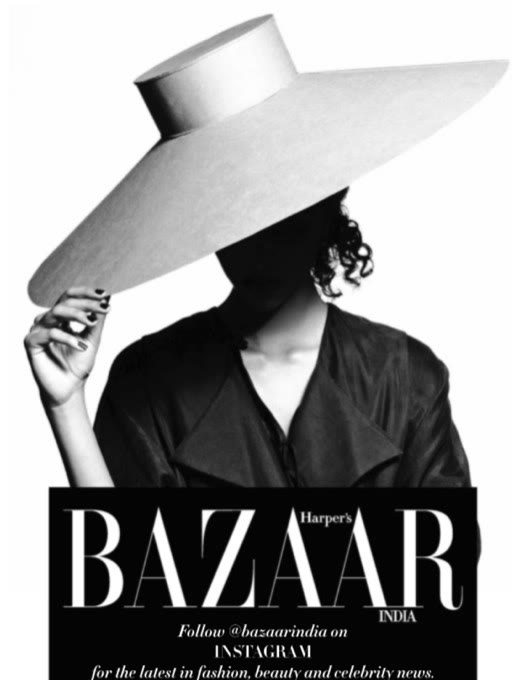 Harper's Bazaar India Instagram house adOne hidden-face photo plus a single line naming the channel and benefit makes a clean follow request.
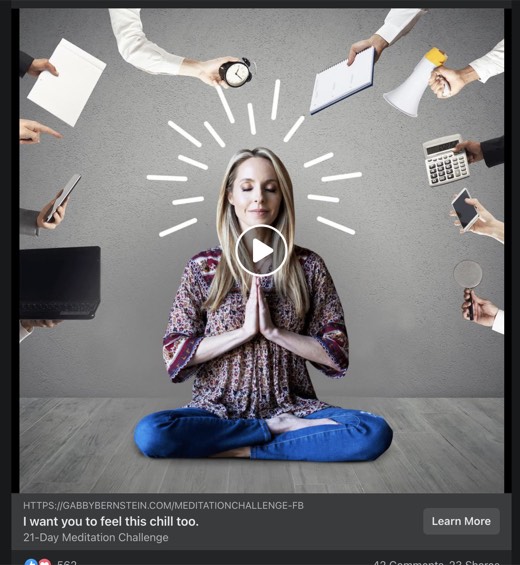 Meditator among distractions, 21-day challenge adOne image shows calm amid hands holding clocks, phones and megaphones, so the benefit is seen before it is read.
5Questions
When should an ad use almost no copy?
When the image alone shows the feeling or benefit, or when the brand is already well known. Luxury and lifestyle ads often work this way.
Can small businesses run image-led ads?
Yes, if the offer is simple and the image is strong. Add a short line and a clear next step so people know what to do.
What makes an image stop the scroll?
A clear focal point, strong contrast and something unexpected. A face or an unusual scene often works well.