1How diagram or roadmap works
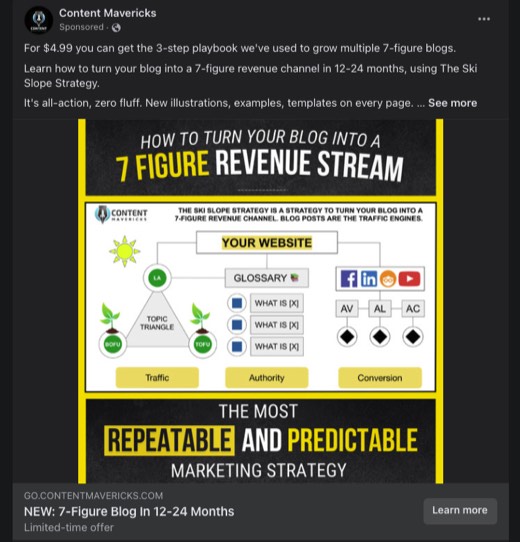
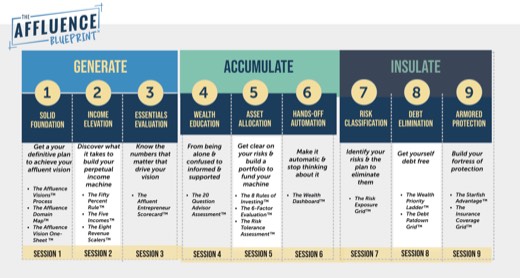
A list of modules is hard to picture. A drawing of the route is not. When the reader can see the whole method in one image, it feels simpler and more doable. Diagrams also make the offer look designed, as if someone thought it through, which builds trust in the method. Putting the reader at the start of a map invites them to picture moving along it. The best diagrams are simple. Three phases or five steps, each with a short name. Too much detail turns the picture into a wall of text. A hand-drawn style can feel more personal and easier to share than a polished chart.
2How to use it in your copy
- Break your method into three to seven clear steps or phases.
- Give each step a short, memorable name.
- Draw them as a path, funnel or map.
- Show the reader where they start and where they end.
- Keep labels short and leave out minor detail.
3Mistakes to avoid
- Cramming so much detail in that the diagram is unreadable.
- Using a diagram that does not match how the method really works.
- Naming steps with jargon the reader does not understand.
4Three examples, and what they do
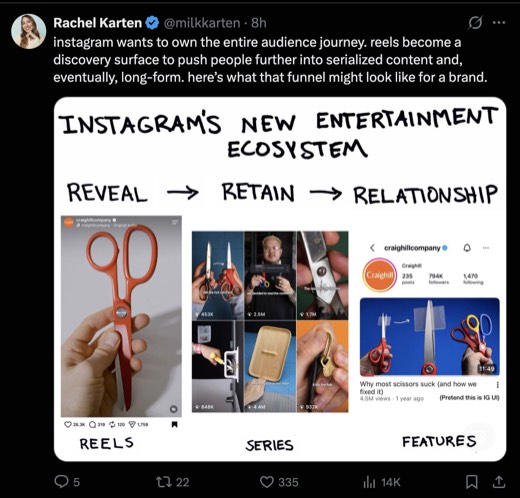 Hand-Drawn Funnel Diagram TweetA three-word framework, Reveal, Retain, Relationship, drawn by hand with a real brand example, gives marketers a funnel they can copy.
 Scaler Forever career path diagramThe buyer's whole career is drawn as a map with them at the start, so the offer reads as a route.
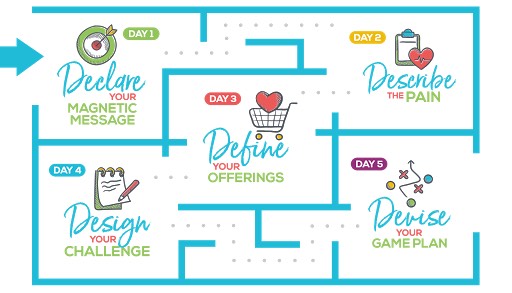 Christie Miller's five-day get more clients challengeA maze graphic names one step for each of the five days, so the challenge looks like a clear path.
5Questions
Why use diagrams in marketing?
A diagram shows a method at a glance, so it feels simpler and more doable. It also makes the offer look carefully planned.
What kind of diagram works best?
Simple paths, funnels and phase maps with three to seven steps. Short labels matter more than polish.
Can I draw diagrams by hand?
Yes. Hand-drawn diagrams can feel personal and are easy to share, as long as they stay clear.